Home Design
10 Luxury Home Features Utah Buyers Want Most in 2026
10 min read · Nicki Christensen
Utah's luxury home market has evolved dramatically. Today's high-end buyers are not just looking for square footage — they want intentional design, wellness features, and spaces that support how they actually live. After a decade of helping buyers find and sell luxury properties across Utah County, these are the features I see driving the most demand in 2026.
If you are prepping your home to sell, this list doubles as a prioritization guide. I have included cost ranges and ROI estimates so you can invest where it actually matters.
1. Chef's kitchens with statement stone
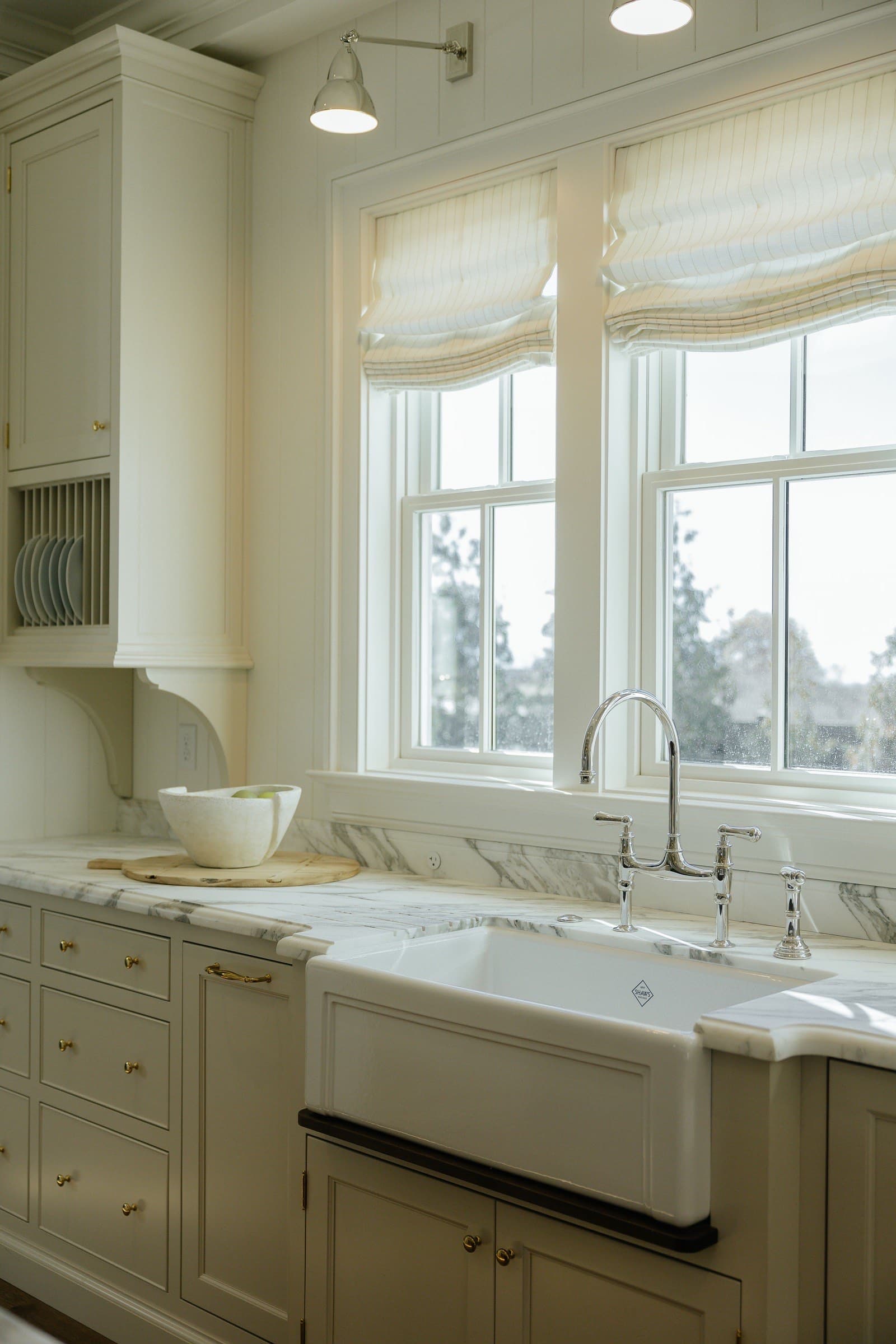
Marble and quartzite countertops, oversized islands that seat six, and professional-grade appliances remain the centerpiece of luxury Utah homes. The trend has shifted from all-white kitchens to warmer tones — think cream cabinetry with brass hardware and dramatic veined stone.
Cost to add/upgrade: A full luxury kitchen remodel typically runs $80,000 to $200,000 depending on the scope. Countertop upgrades alone (quartzite or high-end marble) run $8,000 to $25,000. A professional-grade appliance suite from Wolf, Sub-Zero, or Thermador adds $25,000 to $60,000.
ROI: Kitchen remodels consistently return 60-80% of their cost in resale value, and in Utah's luxury segment that number can climb higher because buyers compare directly against new construction in Alpine and Highland. Above $1.5 million, a chef's kitchen is not a bonus — it is expected. Buyers at that price point will mentally deduct the cost of a kitchen renovation if yours falls short.
2. Home theaters
With Utah's family-oriented culture, dedicated home theaters are consistently one of the most requested features. The best ones have proper acoustic treatment, tiered seating, and a 120"+ screen. A well-done theater adds real resale value in this market.
Cost to add/upgrade: A quality dedicated theater room runs $25,000 to $80,000. On the lower end, that covers a 4K projector setup, acoustic panels, and comfortable seating. On the higher end, you are looking at full Dolby Atmos sound, automated lighting, tiered platform seating, and acoustic isolation.
ROI: Home theaters return roughly 50-65% of investment at resale, but in Utah they punch above that average. Families with four, five, or six kids — which is not unusual here — genuinely use these rooms every day. A theater in a $1M+ home is a strong differentiator; above $2M, it is nearly standard.
3. Wellness rooms
Home gyms have evolved into wellness spaces — dedicated rooms for yoga, meditation, and fitness with mirrors, specialized flooring, and good natural light. I am seeing these in new builds throughout Alpine and Highland, and buyers love them.
Cost to add/upgrade: Converting an existing room into a wellness space costs $5,000 to $30,000. Basic conversions (rubber flooring, mirrors, fresh paint) sit at the low end. Higher-end builds include infrared saunas ($4,000-$10,000), cold plunge tubs ($3,000-$8,000), and dedicated ventilation systems.
ROI: Wellness rooms return an estimated 40-60% of cost directly, but their real value is in marketability. Listings that feature a dedicated wellness space get measurably more engagement online. Utah buyers are active and health-conscious — this resonates deeply here.
4. Mud rooms and drop zones
Utah's outdoor lifestyle means boots, skis, backpacks, and sports equipment for the whole family. A well-designed mudroom with built-in cubbies, bench seating, and a utility sink is one of the most practical luxury features in a Utah home. They photograph beautifully too.
Cost to add/upgrade: Custom built-in mudroom systems run $3,000 to $15,000. A full mudroom addition (if the space does not already exist) can cost $15,000 to $40,000 including plumbing for a utility sink, durable tile flooring, and heated floors to dry out wet gear.
ROI: This is one of the highest-ROI features on this list — roughly 70-80% return, and sometimes more in Utah specifically. With families hauling ski gear from Deer Valley, mountain bikes from Corner Canyon, and soccer bags for five kids, a well-built mudroom solves a real daily problem. It also keeps the rest of the home looking pristine for showings.
5. Mountain views
This one is obvious but worth stating: view lots command significant premiums in Utah County. A home on the Highland bench with an unobstructed Timpanogos view will outperform an identical floor plan without the view by 10-20%. If views are important to you, the lot selection is everything.
Cost: You cannot install a mountain view, but you can pay for it in lot premium — typically $50,000 to $300,000+ depending on the neighborhood and the quality of the view. In some cases, strategic tree removal or window reconfiguration ($5,000-$20,000) can dramatically improve an existing view.
ROI: Views are one of the few features that appreciate rather than depreciate. A premium view lot in a desirable Utah County location is a long-term asset. The 10-20% premium buyers pay on purchase tends to hold or grow over time because the supply of view lots only decreases as communities build out.
6. Indoor-outdoor living spaces
Covered patios with outdoor kitchens, fire pits, and retractable glass walls that open the living room to the backyard are increasingly standard in luxury new builds. Utah's 300+ days of sunshine make outdoor living viable for most of the year.
Cost to add/upgrade: A covered patio with an outdoor kitchen runs $30,000 to $100,000+. Retractable glass wall systems (NanaWall or similar) cost $15,000 to $50,000 depending on span. Fire pit areas with built-in seating add $5,000 to $20,000.
ROI: Outdoor living spaces return 55-75% in resale value. Utah-specific context matters here: our climate supports outdoor living eight or more months of the year with the right setup. A covered patio with a heater extends the season well into November. Buyers who have experienced Utah's fall evenings outdoors — clear skies, cool air, mountain backdrop — will pay a premium for a home that supports that lifestyle.
7. Dedicated home offices
The remote work shift made quality home offices a permanent fixture. Luxury buyers want a proper office — not a desk in a bedroom. Built-in bookshelves, good acoustics, a separate entrance or at least visual privacy, and wired internet connections.
Cost to add/upgrade: Converting a room into a polished home office costs $5,000 to $25,000. Custom built-ins are the biggest expense ($8,000-$15,000), followed by soundproofing ($2,000-$5,000) and upgraded lighting. Running hardwired ethernet is relatively inexpensive ($500-$1,500) and makes a meaningful difference.
ROI: A dedicated, well-finished home office returns roughly 50-70% of investment. Utah has a disproportionately high number of remote and hybrid workers, especially in the tech corridor stretching from Lehi to Draper. For that buyer pool, a proper office is a dealmaker.
8. Smart home integration
Whole-home automation (lighting, HVAC, security, audio) controlled from a single app is expected at the luxury level. The best implementations are invisible — no clunky panels on every wall, just seamless control.
Cost to add/upgrade: A well-integrated smart home system runs $15,000 to $60,000 for a luxury property. This includes a control platform (Control4 or Savant are the most common in Utah luxury homes), smart lighting throughout, automated shades, a distributed audio system, and integrated security.
ROI: Smart home integration returns about 40-55% directly, but its real impact is in perception. A home that feels modern and effortless commands attention. The key is a clean, unified system — not a patchwork of Alexa devices and smart plugs. More on this distinction in the section below about features that do not add value.
9. Oversized garages
Three-car garages are standard in Utah luxury homes, but many buyers want four or more bays to accommodate trucks, boats, side-by-sides, and workshop space. If your home has a 4+ car garage, lead with that in marketing.
Cost to add/upgrade: Adding a garage bay to an existing home costs $30,000 to $60,000, and it is one of the more complex additions to execute well. Finishing a garage with epoxy floors, insulation, and built-in storage runs $5,000 to $15,000 and is almost always worth doing.
ROI: Oversized garages return 60-75% of cost in Utah, which is above the national average. Utah buyers own recreational vehicles at a much higher rate than the national average — side-by-sides, boats, snowmobiles, and camping trailers are standard. A 4+ car garage with tall ceilings solves a storage problem that matters to a large segment of the buyer pool here.
10. High-end bathroom retreats
Freestanding soaking tubs, rainfall showers with body jets, heated floors, and curated tile work turn primary bathrooms into spa-like retreats. The trend is moving toward warmer materials — natural stone, wood accents, and soft-hued wallpaper.
Cost to add/upgrade: A luxury primary bathroom remodel runs $30,000 to $80,000. Heated floors add $1,500 to $4,000 and are especially worthwhile in Utah where tile floors are freezing from November through March. A freestanding tub ($2,000-$8,000 installed) and a frameless glass rainfall shower ($5,000-$15,000) are the two features buyers notice first.
ROI: Bathroom remodels return 55-70% at resale. In Utah's luxury market, the primary bathroom is one of the top three most-photographed rooms in a listing. Heated floors specifically are a low-cost, high-impact upgrade — they cost relatively little to install but feel immediately luxurious. Above $1.2 million, buyers expect a spa-caliber primary bath.
Features that DON'T add value
Not every expensive upgrade helps at resale. These are the features I see sellers over-invest in that either do not move the needle or actively narrow the buyer pool.
Swimming pools
This is the big one. In Utah, a backyard pool rarely adds proportional value — and in some cases, it can hurt resale. Installation costs $60,000 to $150,000+, but buyers often see a pool as a liability: a short 3-4 month swim season, high maintenance costs, safety concerns with young children, and a significant portion of the yard consumed. I have seen luxury homes in Utah County sit longer on the market specifically because the pool deterred families. If you are building for yourself and want a pool, go for it. But if resale value is a factor, invest that money elsewhere.
Ultra-custom finishes
Highly personal design choices — bold wallpaper in every room, custom mosaic tile murals, heavily themed spaces — can work against you. The more unique the finish, the smaller the pool of buyers who will love it. Luxury buyers want quality and taste, but they also want to see themselves in the home. Neutral-but-warm is the sweet spot. Save the bold statement for one accent wall, not twelve.
Excessive or fragmented smart home tech
A unified smart home system adds value (see #8 above). A house with fourteen different smart devices from different ecosystems — some half-working, some requiring proprietary apps — does the opposite. Buyers walk into these homes, cannot figure out how to turn on the lights, and leave frustrated. If you are going to invest in smart home tech, invest in one clean system. Otherwise, rip it out and go back to standard switches before listing.
Wine cellars
Custom wine cellars cost $20,000 to $80,000 and appeal to a narrow segment. In Utah specifically, the buyer pool for a dedicated wine room is smaller than in Napa or Manhattan. That budget is almost always better spent on a kitchen upgrade, outdoor living space, or garage expansion that appeals to a broader audience.
What sellers should prioritize
If you are prepping a luxury home for sale, here is how I would prioritize your pre-listing investment:
Tier 1 — High impact, broad appeal (do these first):
- Kitchen refresh (countertops, hardware, appliances if dated)
- Primary bathroom upgrades (heated floors, modern fixtures)
- Outdoor living space (covered patio, fire pit, clean landscaping)
- Mudroom organization (built-ins, fresh paint)
Tier 2 — Strong differentiators:
- Garage finishing (epoxy floors, storage systems, lighting)
- Home office polish (built-ins, soundproofing)
- Smart home unification (consolidate to one clean system or remove)
Tier 3 — If budget allows:
- Home theater upgrade
- Wellness room buildout
- Window upgrades to maximize views
The key principle: invest in features that the broadest pool of luxury buyers will value. Avoid spending $100,000 on something only 10% of buyers want.
When features go from "bonus" to "expected"
One thing I tell every seller: the features that impress at $800,000 are simply expected at $1.5 million. Here is roughly how that breaks down in Utah's luxury market:
- $800K - $1.2M: A chef's kitchen, 3-car garage, and quality primary bath are differentiators that set a home apart.
- $1.2M - $1.5M: Those become expected. Smart home integration, a home office, and good outdoor living space start to differentiate.
- $1.5M - $2.5M: All of the above are expected. Buyers at this level look for home theaters, wellness spaces, premium views, and oversized garages. Missing features at this price point get mentally deducted from perceived value.
- $2.5M+: Everything on this list is expected. Differentiation comes from lot size, location, architecture, and the overall feeling of the home. A $3M home without a proper mudroom or a covered patio will raise questions.
Understanding where your home sits on this spectrum helps you spend renovation dollars wisely. There is no point adding a home theater to a $900K listing when the kitchen still has laminate countertops.
What this means for buyers
Know which features matter most to you before you start touring. It is easy to get distracted by a stunning kitchen and overlook that the home has no office, no mudroom, and a two-car garage. I help buyers build a weighted checklist so you evaluate homes objectively.
If you are exploring specific communities, my Alpine living guide and Corner Canyon and Draper overview break down what to expect in those neighborhoods.
Browse Utah luxury listings or contact me to discuss what you are looking for.

About the author
Nicki Christensen is a Utah REALTOR® with ERA, serving Utah County and the Wasatch Front — from first-time buyers to distinguished homes. Get in touch for a private consultation.
Related posts

Utah Living
Living in Alpine, Utah: A Complete Guide for Home Buyers
After 18+ years raising my family in Alpine, I share an honest, detailed guide to neighborhoods, schools, pricing, trails, commute times, and what makes this mountain community unlike anywhere else in Utah County.
Read more →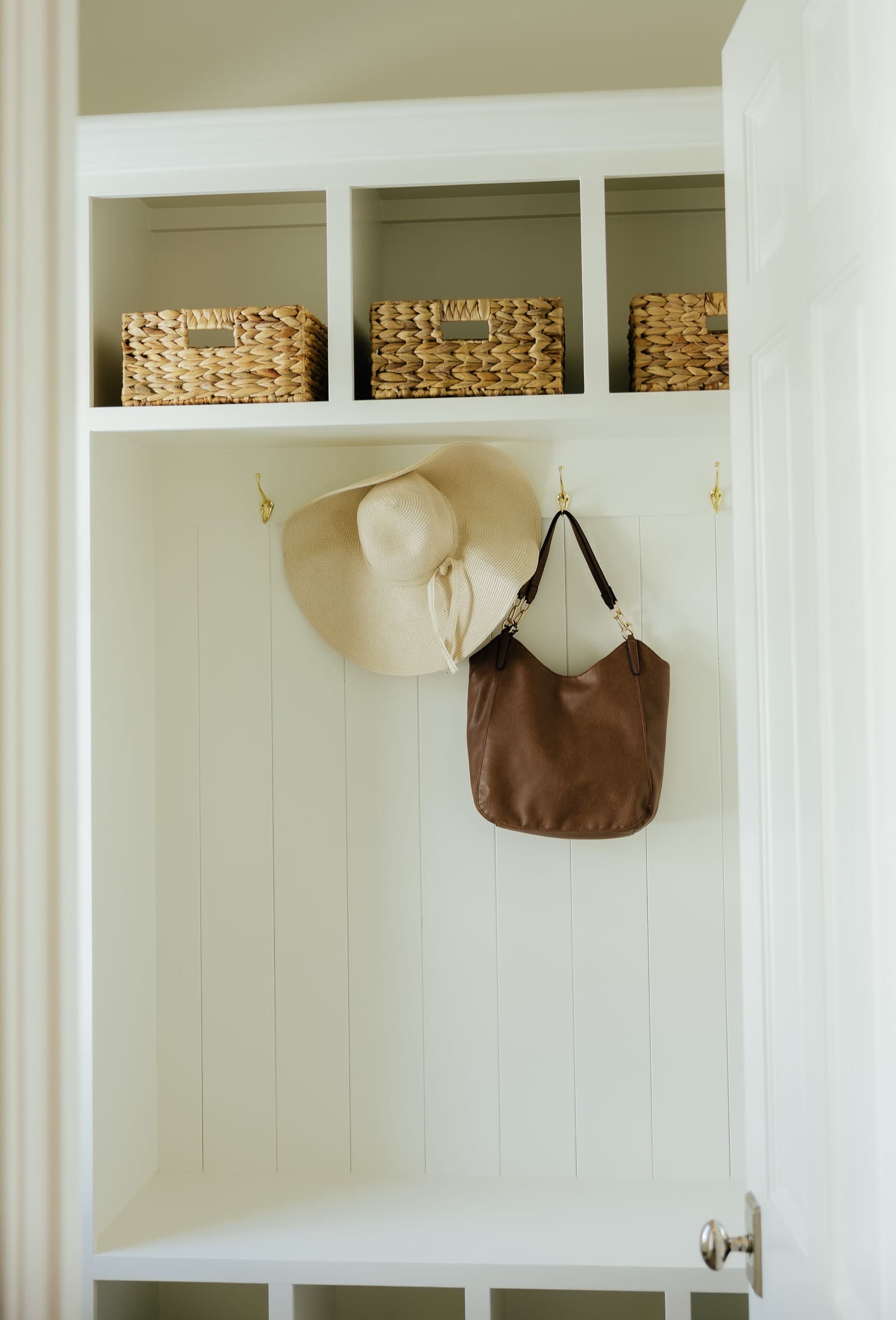
Utah Living
Best Neighborhoods in Salt Lake City for Families (and How to Choose)
If you want a direct answer: Yalecrest, Harvard-Yale, parts of the Avenues, and Sugar House are frequent family picks — each offers different price points, walkability, and school tradeoffs.
Read more →